



Table of Content
Best Anti-Theft Backpack: What to Look for Before Buying

An anti-theft backpack is worth considering for travel, but the best one is not simply the one with the most security features. What matters is whether it can actually make valuables harder to access while still staying comfortable, practical, and easy to use on the move. For airports, trains, crowded cities, and everyday travel, the right anti-theft backpack should balance protection, organization, and daily convenience, which is exactly what you need to look at before buying.
What Makes a Backpack Truly Anti-Theft
A backpack is truly anti-theft when it slows access, hides valuables, and adds friction for opportunistic theft. One feature rarely does the whole job. The useful ones work together.
Lockable Zippers and Closures
Lockable zippers are often the first feature people look for, and for good reason. They make quick access harder. In crowded places, most theft is opportunistic. A zipper that cannot be opened casually adds a real layer of delay.
This also means not every backpack needs a complicated locking system. A simple lockable zipper path is often enough for daily travel, especially when the main compartment sits against your back or stays under your line of sight.
Hidden Pockets and Hard-to-Reach Access
A good anti-theft backpack usually keeps the most important compartments away from easy reach. Back-panel pockets, hidden passport sleeves, and openings that do not face outward all make a difference.
This matters more than people think. A pocket does not need to be high-tech to be effective. It just needs to be placed somewhere that is hard to access quickly in motion.
Slash-Resistant Materials and Reinforced Straps
Slash-resistant panels and reinforced straps help most in situations where a bag may be exposed in crowded public spaces or hanging off a chair, transit seat, or luggage cart. These features are less about everyday pickpocketing and more about making the bag harder to cut or grab.
Not every traveler needs this level of protection. Still, for longer trips or busier transit-heavy routes, reinforced construction can be worth paying attention to.
RFID Protection
RFID protection helps shield credit cards and passports from unauthorized scanning, which is why it is often included as an extra anti-theft feature in travel backpacks. It is most useful for travelers who carry multiple cards, keep their passport in the bag, or want one more layer of protection in crowded transit settings.
That said, not every traveler needs to treat RFID blocking as a top priority. For most trips, features like secure access, hidden pockets, and a safer compartment layout tend to affect day-to-day travel security more directly.
How to Prioritize Anti-Theft Features for Travel
If you are looking for the best backpack for travel, the most useful anti-theft features usually depend on where and how you travel. Airport use, train use, and everyday city use do not stress a bag in the same way.
What Helps Most in Airports, Trains, and Crowded Cities
In crowded travel environments, the most useful features are usually the simplest:
- lockable main access
- hidden or rear-facing pockets
- compartments that do not open too widely
- a shape that stays close to the body
These details help because they reduce fast, easy access. A backpack that forces someone to fumble, pull, or reposition the bag is already doing part of the job.
When Easy Access Becomes More Important
Too much security can become its own problem. If you have to fight with the bag every time you need your passport, headphones, or charger, the system stops working well.
That is why access still matters. The bag should make valuables harder for other people to reach, without making them annoying for you to reach. A well-placed quick-access pocket for low-risk items often solves this.
How to Balance Security, Comfort, and Daily Use
A secure bag that feels awkward all day will not age well. Shoulder comfort, back support, weight distribution, and organization still matter. The same goes for everyday use. If the bag only works in theory and becomes frustrating in practice, you will stop using its security features properly.
Good anti-theft design usually feels subtle. You notice it in how the bag behaves, not in how aggressively it advertises itself.

How to Choose the Right Anti-Theft Backpack
The right anti-theft backpack should fit your trip, protect the items you actually carry, and still feel easy to use, whether you prefer a low-profile black backpack for everyday travel or something more visible. Oversized bags are harder to control. Overbuilt bags can become tiring. Tiny bags may force valuables into less secure pockets elsewhere.
Pick the Right Size for Your Trip
Start with trip length and daily carry. For day travel, city use, and flights where the backpack also acts as your personal item, moderate capacity is usually the safest choice. Smaller bags stay closer to the body and are easier to keep in view.
Larger anti-theft backpacks make more sense when you need to carry a laptop, camera gear, or a full day’s worth of essentials. Even then, the extra space should be deliberate. Empty room tends to turn into clutter.
Choose a Layout That Keeps Items Secure and Easy to Reach
Look beyond the headline features. Layout matters just as much. A good design usually separates high-value items from quick-grab items. Passport, wallet, and electronics should not compete for space with snacks, layers, and cables.
A useful setup often looks like this:
|
Item type |
Best placement |
|
Passport and wallet |
Hidden or back-facing pocket |
|
Laptop or tablet |
Padded compartment close to the back |
|
Charger and cables |
Small internal pouch |
|
Water bottle or umbrella |
Outer pocket if low risk |
|
Daily grab items |
Quick-access top pocket |
Do Not Sacrifice Convenience for Extra Security
A bag that is slightly less armored but much easier to live with is often the better choice. Security works best when you actually use it. That means zipping compartments fully, keeping valuables in the right places, and not getting so annoyed that everything ends up tossed into one open section.
Who Actually Needs an Anti-Theft Backpack for Travel
Anti-theft backpacks help most when the trip includes crowds, transit, and frequent movement. They matter less on trips where your bag is mostly in the hotel, the car, or directly with you in controlled settings.
When Anti-Theft Features Make the Biggest Difference
These bags tend to make the most sense for:
- international travel through multiple cities
- train-heavy itineraries
- crowded urban sightseeing
- solo travel
- carrying passports, cards, and electronics for long stretches
In those settings, small delays and hard-to-reach compartments matter more.
When a Regular Travel Backpack May Be Enough
For road trips, resort travel, short flights, or lower-risk routines, a regular travel backpack may be enough if it has decent organization and a shape that stays close to the body. Some travelers do better with a simple, well-designed backpack plus good habits than with a bag overloaded with security details they never use.
What Anti-Theft Backpacks Can and Cannot Do
An anti-theft backpack can reduce easy opportunities. It can make access harder, slower, and more visible. It cannot replace attention. It will not fix leaving your bag open, hanging it on a chair behind you, or putting your passport in the easiest pocket to grab.
That is why anti-theft features matter most when they support better behavior rather than replace it.
How to Build a Safer Travel Setup Beyond the Backpack
An anti-theft backpack works better when the rest of your travel setup is organized with the same logic. What stays on your back, what goes in your carry-on suitcase, and how you handle both in transit all affect security.
Keep Valuables in Your Backpack and the Rest in a Secure Carry-On
Keep your passport, wallet, cards, phone, and small electronics in your anti-theft backpack. These are the items you are most likely to need during the day and least likely to want separated from you. Clothing, shoes, and the rest of your travel gear can go in your carry-on instead.
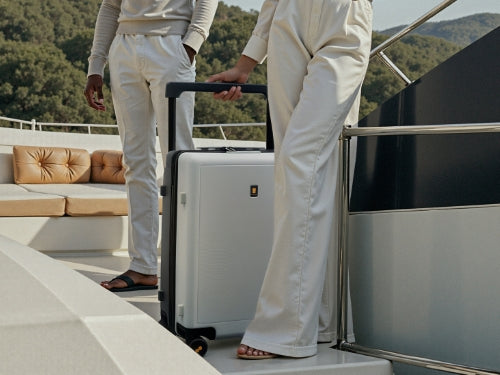
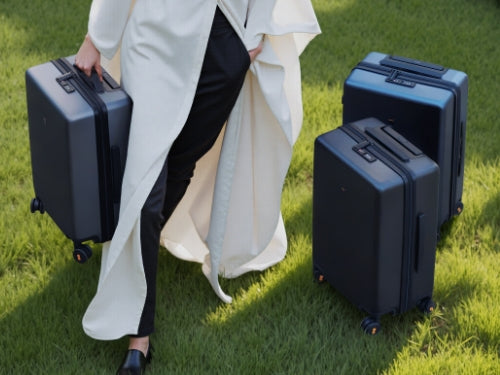
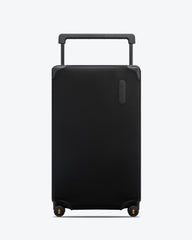
For travelers who want the rest of the setup to feel more protected in transit, a structured case like the LEVEL8 Freeloop Carry-On 20'' adds zipperless access, an aluminum frame, and a TSA-approved zipperless lock in a hard-shell design. That kind of layout makes more sense when you want your main luggage to feel more contained while your essentials stay on your back.

Use Simple Travel Habits to Reduce Theft Risk
Even a well-designed bag works better when your routine is consistent. A few habits usually make the biggest difference:
- keep the main compartment fully closed when moving through stations or airports
- place valuables in the same pocket every time
- avoid using easy-access outer pockets for important items
- keep the backpack where you can feel it in crowds
- check your setup before leaving a seat, café, or gate area
None of these habits are complicated, but they make it much easier to notice when something is out of place.
Pair Security Features With Better Packing and Awareness
A backpack is easier to manage when it is not overloaded with everything you own. The more cluttered it gets, the harder it is to check quickly and the easier it becomes to lose track of where important items are. Keep the backpack focused on valuables and daily essentials, then let the carry-on handle the bulk of the trip.
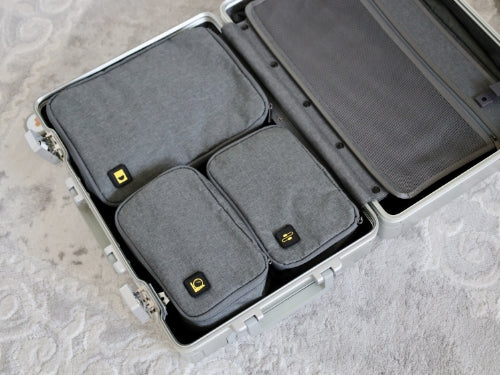
For travelers who want a more locked-down suitcase alongside the backpack, the LEVEL8 Hegent Carry-On 20'' uses a built-in aluminum frame and dual TSA locks, with reinforced aluminum corner protection in a hardshell construction. That kind of carry-on works well when you want the rest of your gear stored in something more structured and secure during transit.
Conclusion
The best anti-theft backpack is the one that makes theft less easy without making travel more annoying. Lockable access, hidden pockets, reinforced construction, and smart layout all matter, but they matter in different ways depending on the trip. For most travelers, the strongest setup comes from choosing a bag with a few genuinely useful security features, then backing it up with better packing habits and a travel routine that stays consistent.
FAQ
Are anti-theft backpacks worth it for international travel?
Yes, especially for trips that involve airports, trains, crowded city centers, and long days carrying valuables. They are most useful when you are moving often and keeping important items with you instead of in a hotel safe.
Can an anti-theft backpack be used as a carry-on or personal item?
Usually yes, as long as the backpack fits the airline’s size limits. Smaller anti-theft backpacks often work well as personal items. Larger ones may count as carry-ons instead.
What size anti-theft backpack is best for travel?
For most trips, a medium-size backpack works best. It gives you enough room for travel essentials without becoming bulky, hard to manage, or easy to overload.
Which anti-theft features matter most in crowded places?
Lockable main access, hidden pockets, and a layout that keeps the most valuable items close to your back usually matter most. Those features help more in crowded places than extras that look impressive but do little in daily use.

Leave a comment