




Table of Content
How to Clean Luggage: Hard Shell and Fabric Care Guide

A suitcase does not need a deep clean after every trip, but it should not go straight from baggage claim into storage either. Dust, grime, food crumbs, hair, and moisture build up faster than most people notice. A quick routine keeps the shell looking better, helps wheels and zippers move more smoothly, and makes the bag a lot less unpleasant to open next time. In most cases, mild soap, a soft cloth, and full air-drying are enough to clean luggage safely. Harsh cleaners and heavy soaking are where problems usually start.
What to Do Before You Clean Your Luggage
The safest way to clean luggage is to empty it first, remove loose debris, and match your cleaning supplies to the material. Starting there keeps you from rubbing dirt deeper into the fabric or scratching a hard shell with trapped grit.
Empty Every Pocket and Compartment
Open everything. Main compartment, front pocket, mesh divider, zip sections, shoe pockets, hidden sleeves. Small items tend to get left behind, and you do not want a tissue, charger cable, or snack wrapper getting damp during cleaning. If the bag has removable liners or organizers, take them out first and clean those separately if needed.
Remove Dust, Crumbs, and Loose Debris
Shake the bag out before you wipe anything down. Then use a vacuum, especially around corners, seams, and the base of the lining where grit collects. This one step makes the rest of the job easier and reduces the chance of dragging dirt across the material.
Gather Mild Cleaning Supplies for the Material
You do not need much. A simple kit covers most luggage care:
- soft microfiber cloths
- mild dish soap
- warm water
- a soft brush or old toothbrush
- a vacuum with a crevice attachment
- a dry towel
For some soft-sided bags, a diluted alcohol-and-water mix can work for spot cleaning, followed by full air-drying. Bleach, strong solvents, and aggressive stain removers are the products most often flagged to avoid.
How to Clean Hard Shell Luggage Without Damaging the Finish
For hard shell bags, especially carry-on luggage that gets handled frequently during short trips, mild soap, water, and a soft cloth are usually enough for routine cleaning. That is the safest routine for removing travel grime without dulling the finish or leaving scratch marks behind.
Wipe Off Surface Dirt Before Cleaning
Before you use soap, wipe the shell with a dry or slightly damp cloth to lift off loose dust. This matters more than it sounds. Grit on the surface can act like fine sandpaper when you start rubbing. A quick pre-wipe lowers that risk.
Use Mild Soap and a Soft Cloth for Routine Cleaning
Mix a little mild soap with warm water, dampen a soft cloth, and wipe the shell section by section. Do not soak the suitcase. Do not scrub aggressively. Routine cleaning works better when it is light and controlled.
This matters even more for hard-shell carry-ons with a textured exterior. For example, a case like the LEVEL8 Voyageur Carry-On 20'' uses a German-made Makrolon® polycarbonate shell and a micro-diamond finish, so gentle wipe-downs make more sense than abrasive scrubbing or harsh cleaners.
Remove Scuffs and Marks Gently
Most surface marks on hard shell luggage are cosmetic, not structural. Start with the mild-soap method first. If a mark remains, use a soft brush or cloth with light pressure. The goal is to lift the scuff, not polish the whole panel into a different texture. Light scratches and scuffs are common on hard-shell luggage and usually reflect normal wear from travel.
Dry the Shell Fully to Prevent Residue
Once the shell looks clean, wipe it again with a clean damp cloth if needed, then dry it with a soft towel. Do not store the suitcase while the shell is still damp around corners, wheel housings, or handles. That is how residue builds up and dirt sticks again too quickly.

How to Clean Fabric or Soft-Sided Luggage Safely
Soft-sided luggage should be cleaned with less water, not more. The fabric and seams can hold moisture longer than you expect, so the safest method is targeted cleaning with a gentle solution and careful drying.
Vacuum the Exterior and Seams First
Softside bags attract lint, dust, and hair around stitched edges, piping, and zipper seams. Vacuum those areas before spot cleaning. That gives you a cleaner surface to work on and keeps dirt from smearing when moisture hits the fabric.
Spot Clean Stains Without Overwetting the Fabric
Work on stains directly instead of wetting the entire exterior. A damp cloth is usually enough for light marks. For more stubborn spots, use a small amount of cleaner and focus only on the affected area. Overwetting slows drying and can leave water marks.
Use a Gentle Cleaner and Blot the Area Carefully
A diluted alcohol-and-water mix is one common softside care method. Apply it with a soft cloth, work gently, and blot rather than scrub hard. If you use soap and water instead, keep the solution light and wipe off any leftover soap with a clean damp cloth so residue does not stay in the fibers.
Let the Luggage Air Dry Fully Before Storage
This part is not optional. Soft-sided luggage needs full air-drying before it is zipped up or stored away. Damp fabric trapped in a closet is exactly how stale smells and mildew start. Leave pockets and compartments open until everything feels dry to the touch.
How to Clean the Inside of a Luggage Bag After a Trip
Interior cleaning matters because the inside of a suitcase traps more dust, crumbs, and odor than the outside. It also tends to stay ignored until the next trip. A quick interior clean fixes that.
Clean Dust and Debris From the Lining and Corners
Open the bag wide, shake out loose debris, then vacuum the lining, corners, and seams. Pay extra attention to the edges under the divider and around zipper folds. Those are the places where sand, lint, and small particles settle.
Wipe or Spot Clean the Interior Fabric
For light dirt, a damp cloth may be enough. For stains, use a mild cleaner sparingly and wipe only the area that needs it. Avoid flooding the lining. You are cleaning fabric attached to a suitcase frame, not washing a removable garment bag.
Remove Odors Before Storing the Bag
Odors usually come from trapped moisture, used clothing, or forgotten travel residue. The best first step is simple: clean out the bag and let it breathe. You can also wipe the interior lightly and leave it open in a dry room until any stale smell fades. Storing luggage clean and dry is one of the easiest ways to prevent future odor buildup.
Air Out the Luggage Before Closing It
Leave the suitcase open for a while after cleaning. Even if the lining feels almost dry, a little extra airing-out time helps. Closing it too soon traps the moisture you were trying to remove.

Do Not Forget the Wheels, Handles, and Zippers
Wheels, handles, and zippers are the parts most likely to collect grime and the parts most likely to affect how the suitcase performs. If they are skipped, the bag may look cleaner without actually working better.
Wipe Down Handles and Other High-Touch Areas
Top handles, side handles, grab points, and telescoping handle grips are high-touch surfaces. Wipe them with a mild cleaner and a soft cloth after trips, especially if the bag has been through airports, taxis, hotel floors, and public transit. Gentle disinfecting wipes are generally fine on hardside shells and these touch areas, as long as they are not abrasive.
Remove Dirt and Hair From the Wheels
Spinner wheels pick up dust, hair, and thread constantly. Wipe them down and check for anything wrapped around the axle or lodged near the housing. If a wheel is not spinning smoothly, trapped hair, dust, or debris is often the first thing to check.
Clean Around the Zipper Teeth and Pulls
Use a cloth or a soft brush to clean around the zipper path. This step is especially useful for carry-ons with more access points and moving parts. The LEVEL8 Adventure Carry-On 20'' includes spinner wheels, a wide trolley handle, and an expandable zipper, so a quick post-trip clean around these areas helps the case stay tidier and move more smoothly.
Make Sure Every Part Is Dry Before the Next Trip
Moisture around wheel housings, handle bases, zipper tracks, and seams tends to linger. Dry these areas before putting the bag away. It is a small step, but it prevents grime from sticking and keeps metal and fabric areas from sitting damp in storage.
How to Keep Luggage Clean and Fresh Between Trips
The easiest luggage to clean is luggage that never gets very dirty in the first place. A short post-trip routine is easier than a deep clean months later, especially if you also follow cleaning and maintenance tips for carry-on luggage between trips.
Do a Quick Clean After Every Trip
You do not need to scrub the whole suitcase each time. Wipe the shell or fabric, empty debris, clean the handles, and check the wheels. A light clean after every trip helps prevent buildup over time.
Store Luggage in a Cool, Dry, Ventilated Place
Clean luggage stores better. A cool, dry, ventilated spot helps protect the material and reduces the risk of trapped odor or mildew. That is also why it helps to clean luggage before storage instead of leaving dirt and moisture sitting in the bag.
Avoid Storing Luggage While It Is Still Damp
This is where many storage problems start. Even a slightly damp interior or wheel housing can leave the bag smelling stale by the next trip. Give it more drying time than you think it needs.
Use Organizers to Reduce Future Mess
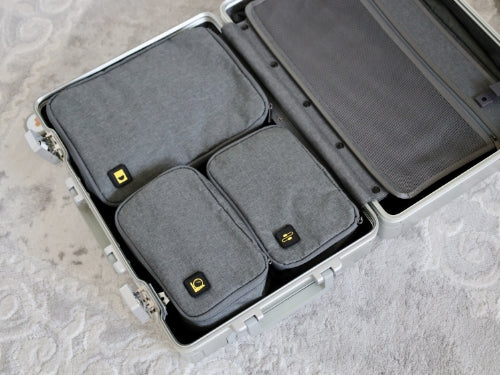
Packing cubes, shoe bags, laundry bags, and toiletry pouches do more than keep things organized during travel. They also limit direct contact between the suitcase and whatever you packed, which means less dirt, fewer spills, and less cleanup later. This is especially helpful for keeping the interior cleaner between longer trips.
Conclusion
Cleaning luggage does not need to be complicated. Empty it, remove debris first, clean the material with something gentle, and let every part dry fully before storage. Hard shells usually respond well to mild soap and a soft cloth. Soft-sided bags do better with spot cleaning and careful air-drying. Add a quick wipe of the wheels, handles, and zippers after each trip, and your suitcase stays easier to use and easier to live with.
FAQ
How Often Should You Clean Your Luggage?
A light cleaning after every trip is a good baseline. Deep cleaning can be less frequent unless the bag is picked up visible stains, spills, sand, or odors. A light cleaning after each trip is usually enough to keep dirt from building up over time.
Can You Use Disinfecting Wipes on Luggage?
On hardside luggage, gentle disinfecting wipes are generally fine, but abrasive products are best avoided. For fabric luggage, spot cleaning with a mild solution is usually the safer choice than repeatedly rubbing the surface with harsh wipes.
What Is the Best Way to Remove Smells From a Luggage Bag?
Start by emptying the bag, vacuuming out debris, wiping the interior if needed, and then leaving the suitcase open to air out completely. Odors usually improve once leftover dirt, moisture, and trapped air are dealt with. Storing the bag only when fully dry is a big part of preventing smells from returning.
Should You Clean Luggage Right After a Trip or Wait First?
Right after the trip is usually better. Dirt, crumbs, and moisture are easier to deal with before they sit in the bag for days or weeks. Cleaning luggage before storage is one of the simplest ways to avoid mildew, odor, and long-term buildup.


Leave a comment