



The Difference Between Luggage, Suitcase, And Baggage

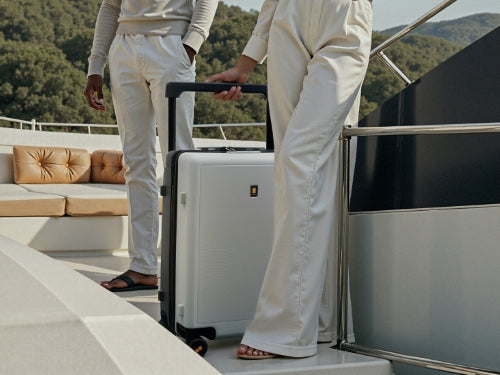
A suitcase is a structured travel case, while luggage is a broader term for bags used to carry belongings. Baggage is the group of bags an airline accepts in the cabin or cargo hold.
The main suitcase vs luggage difference involves product design. A suitcase has a defined shape and organized interior, while luggage can also include duffels, backpacks, and garment bags.
The luggage vs baggage difference mainly concerns how travelers use it. Luggage describes the products travelers choose, while baggage describes the items an airline handles during a flight.
Luggage vs Suitcase vs Baggage at a Glance
These categories describe travel gear from different angles. Suitcase identifies a physical design, luggage covers the wider product group, and baggage classifies the items brought on a trip.
The same item can fit more than one category. A rolling suitcase is luggage when purchased and becomes baggage when accepted by an airline.
|
Category |
What it includes |
Typical structure |
Main advantage |
|
Luggage |
Suitcases, duffels, backpacks, garment bags |
Varies by product |
Provides options for different trips |
|
Suitcase |
A structured hard-shell or soft-sided case |
Rectangular body with a handle |
Protects clothing and supports organized packing |
|
Baggage |
Bags and cases accepted for travel |
Any approved travel container |
Covers cabin and checked items |
How Is a Suitcase Different From Other Luggage?
A suitcase is built around structure and organized packing. Most current models use a hard shell or reinforced fabric body that holds its shape when partly empty.
Other luggage may focus on flexible storage or hands-free carrying. The better format depends on the contents and how the traveler moves between locations.
A Suitcase Has a Defined Shape
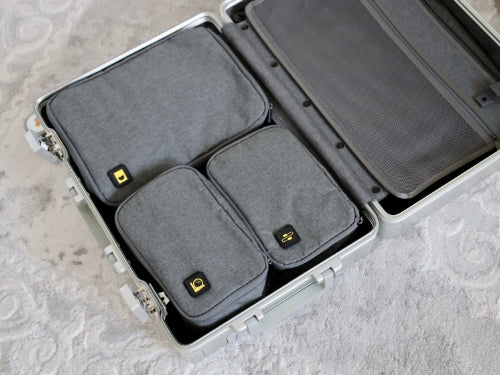
Most suitcases have a rectangular body that opens into one or two packing sections. This shape makes folded clothing easier to arrange and keeps the packed load stable.
Hard-shell models commonly use polycarbonate, ABS, or aluminum. Soft-sided suitcases usually use woven synthetic fabric supported by an internal frame.
The wider luggage category includes products without a fixed rectangular body. Duffels and backpacks change shape as they are packed.
A Suitcase Provides More Packing Protection
A hard-shell suitcase creates a rigid layer around the packed items. This reduces direct pressure on clothing, shoes, and small personal belongings when the case is moved with other bags. Soft-sided suitcases still provide structure, though their fabric walls may compress under weight.
Duffels and backpacks provide less external protection because their walls can fold. They suit clothing and flexible items. Many include outside pockets for documents or travel accessories.

What Types of Luggage Are Not Suitcases?
Luggage includes several formats designed for different ways of traveling. Their main differences involve carrying method, shape, and protection.
Duffel Bags Offer Flexible Packing
A duffel is a soft luggage bag with one main opening. Its flexible body makes it useful for casual clothing, sportswear, and items that do not need a rigid shell.
An underfilled duffel can be compressed inside a car trunk or storage compartment. The same flexibility can allow the bag to become larger than expected when overpacked.
However, most duffels must be carried by hand or over one shoulder. Large models can become uncomfortable after the packed weight increases. Wheeled duffels reduce the carrying problem but still offer less internal structure than a suitcase. Clothing may move toward one end when the bag is stored upright.
Travel Backpacks Keep Both Hands Free
A travel backpack works well for stairs, train connections, or trips involving frequent walking. Shoulder straps keep both hands available for tickets or another small bag.
Backpacks are affected by weight distribution. A padded hip belt can move some weight away from the shoulders. This feature is useful for long walking distances.
Garment Bags Protect Hanging Clothes
A garment bag stores suits, dresses, and other formal clothing in a hanging position. It reduces tight folds that can create visible wrinkles. Some models fold into a compact travel bag. Others include wheels and resemble a narrow suitcase when closed.
Their long interior shape works well for clothing but leaves less practical room for shoes or bulky personal items. Travelers may still need a second bag.
A garment bag can qualify as cabin or checked baggage depending on its folded dimensions. The airline’s policy determines where it can be stored.
Carry-On Luggage Comes in Different Formats
Cabin baggage does not have to be a rolling suitcase. A small duffel or travel backpack may also qualify when it stays within the airline’s allowance.
Shoppers comparing carry on luggage should check the complete exterior dimensions first. Capacity and interior features matter after airline fit has been confirmed.
Flexible bags can fit into irregular overhead spaces, but they may expand after packing. A suitcase maintains a more predictable shape and is easier to compare with an airport bag sizer.
How Is a Suitcase Different From Airline Baggage?
Baggage describes the items accepted by an airline. It may include a suitcase, duffel, backpack, equipment case, or another approved container. The airline classifies each item according to its size, weight, and storage location. The material or product name does not determine the baggage category.
Carry-On Baggage Stays in the Cabin
A carry-on is stored in the overhead compartment. A smaller personal item normally fits under the seat in front of the passenger.
The FAA advises passengers to check the operating airline because limits can vary by carrier and aircraft. A suitcase that exceeds one measurement may need to be checked. Wheels and fixed handles count toward its outside size.
Checked Baggage Travels in the Cargo Hold
Checked baggage is handed to the airline before boarding. It may pass through sorting systems and be transferred between aircraft during a connecting trip.
Many major U.S. carriers use 62 linear inches and 50 pounds as common limits for standard checked baggage. Lower-cost carriers and international airlines may apply different rules. Linear size is calculated by adding the outside length, width, and height. Wheels, fixed handles, and expanded sections should all be counted.
A Checked Suitcase Balances Capacity and Size
Longer trips require more interior room, but an extra-large suitcase can become overweight before all the space is used. A moderate checked size gives the traveler more control.
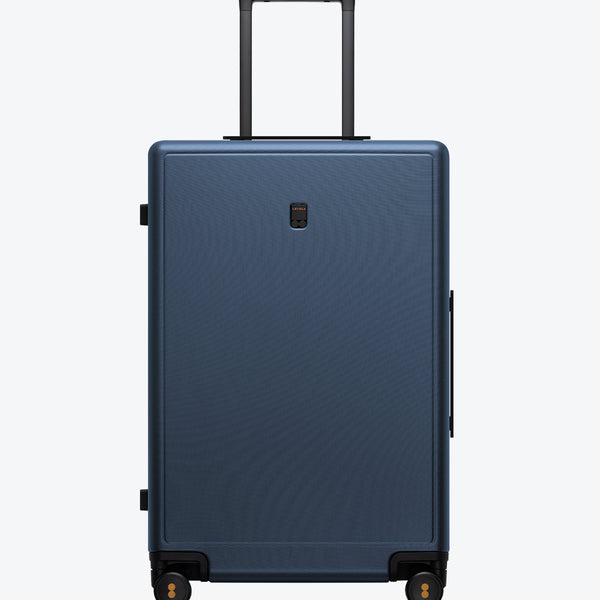
The Luminous Textured Check-In 24-inch suitcase offers 65 liters of listed capacity and weighs 9.8 pounds. Its complete measurements are 17.5 × 10.4 × 26 inches. Those measurements total 53.9 linear inches. The polycarbonate shell holds its shape during baggage handling. Its divider and zippered pockets keep clothing and smaller items from moving around the interior.
Which Travel Option Should You Choose?
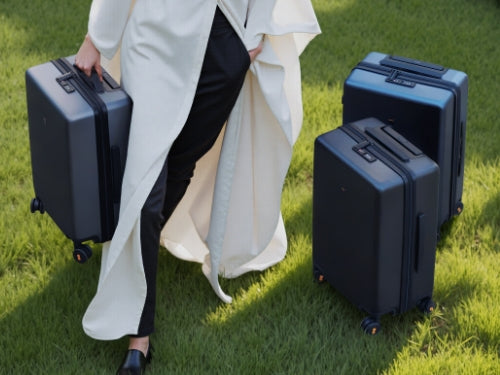
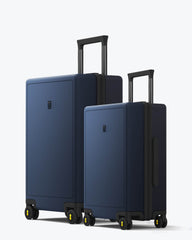
The best option depends on what will be packed and how the traveler moves during the trip. A suitcase suits organized clothing, while a duffel or backpack provides more flexibility. Travelers who regularly switch between short and long trips may also compare luggage sets.
Choose a Suitcase for Organized Clothing
A suitcase provides flat packing sections and a stable shape. It suits travelers who want to separate clothing from shoes and small accessories. Hard-shell cases add external structure. Soft-sided suitcases offer some flexibility and may include quick-access pockets.
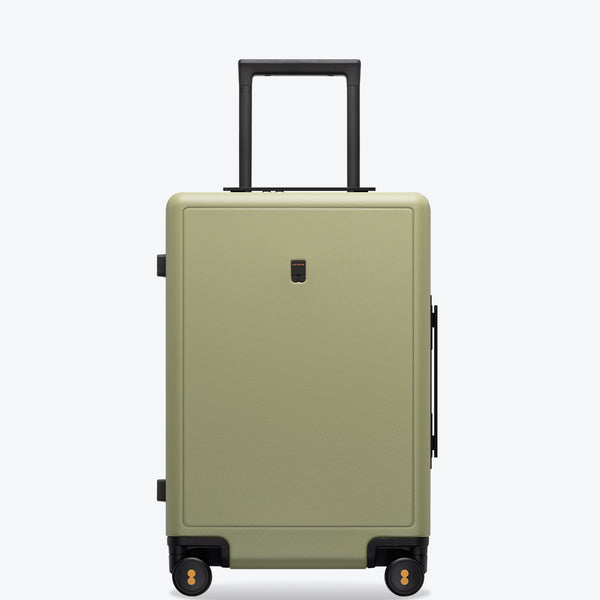
For short trips, the Luminous Textured Carry-On 20-inch suitcase provides 40 liters of listed capacity and weighs 7.7 pounds. Its dimensions are 14.5 × 9.2 × 21.5 inches. The divider and zippered pockets help control a small load.
Choose a Duffel for Flexible Storage
Duffels work well for road trips and casual travel. Their flexible body can fit into spaces where a structured suitcase would be difficult to store. They are useful for clothing that does not require careful folding. Shoes or sports equipment can also fill irregular areas inside the main compartment.
Choose a Backpack for Frequent Walking
A backpack suits travel that includes stairs or rough surfaces. It removes the need to pull wheels over areas where they may catch. A structured back panel can prevent packed objects from pressing directly against the body.
Check the packed depth before flying. A soft backpack can extend beyond its listed measurements when every compartment is full.
FAQs
Can a Duffel Bag Be Checked Baggage?
Yes. Airlines can accept a duffel as checked baggage when it meets their size, weight, and packing requirements.
Can a Backpack Replace a Carry-On Suitcase?
Yes. A travel backpack can replace a suitcase when it meets the airline’s limit. It may work better for stairs and walking between transportation stops.
Why Is a Suitcase Sometimes Checked at the Gate?
Cabin space may be full. The case may also exceed the airline’s limit, or the aircraft may have smaller overhead compartments.
What Is the Weight Limit for Checked Baggage on Most Airlines?
Usually 50 pounds. This common limit applies to many standard economy bags on major U.S. airlines. Some carriers use lower limits, so check the operating airline.
Are Smart Luggage Bags Allowed on Planes?
Usually, if the battery is removable. Removed lithium batteries must travel in the cabin. Airlines may refuse smart bags with batteries that cannot be removed.
Conclusion
The suitcase vs luggage choice comes down to physical design. A suitcase provides structure and organized packing, while other luggage formats offer more flexible storage or easier carrying.
The luggage vs baggage distinction also becomes useful during air travel. Any approved luggage bag or luggage case can become carry-on, checked, or special baggage under the airline’s rules.
Choose the product format first, then confirm its packed dimensions and weight. This approach produces a travel setup that fits both the trip and the carrier.


Leave a comment