

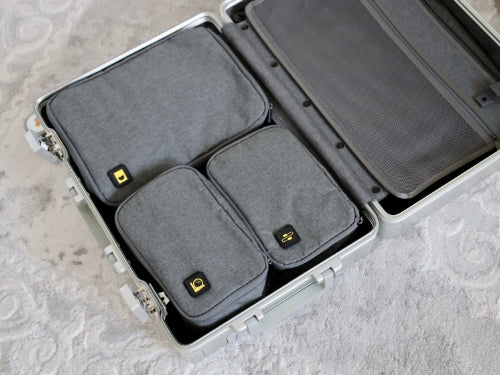




How to Fix a Suitcase Zipper and Handle Common Problems

The safest way to fix a suitcase zipper is to clear the track, apply a dry lubricant, or correct the slider. Missing chain elements or torn zipper tape usually require a full zipper replacement. Travelers dealing with a stuck pull, a track that splits open, or a slider that has come off can use these checks to decide whether a safe home repair is realistic.
How Do You Identify the Suitcase Zipper Problem?
Move the slider slowly while the suitcase is empty. Watch the exact point where movement stops or where the closed track opens again. The location and the visible damage usually identify the failed part.
|
What you see |
Likely cause |
Best first action |
|
Slider stops at one point |
Fabric, thread, or dirt in the track |
Remove the obstruction and clean the area |
|
Slider moves with heavy drag |
Dirty track or dry contact surfaces |
Clean first, then add a dry lubricant |
|
Track opens behind the slider |
Loose or worn slider |
Tighten it gently or install a matched slider |
|
Pull tab is gone |
Broken pull with an intact slider |
Fit a replacement pull |
|
Slider has left the track |
Failed stop or uneven loading |
Reinstall the slider and fit a new stop |
|
A tooth or coil section is missing |
Damaged zipper chain |
Replace the full zipper |
|
Tape is torn near the chain |
Structural tape damage |
Ask a repair shop to inspect it |
How Do You Repair a Suitcase Zipper Step by Step?
Work through the steps in order. Useful tools include a soft brush, tweezers, needle-nose pliers, and a matched repair kit. Cleaning may solve the problem without changing any hardware. Tightening or replacing a slider should begin only after the chain and tape have been checked for damage.
Step 1: Identify the Damaged Part
Open the suitcase and run the slider toward the open end without forcing it. Mark the trouble spot with removable tape.
-
A jam at the same point suggests track damage or trapped material.
-
Separation that follows the slider suggests wear.
-
A missing end stop explains why a slider came off.
Step 2: Remove Fabric and Dirt
Pull trapped lining away with your fingers. Use tweezers for loose thread or lint. Brush the chain on both sides with a clean, dry toothbrush. If grime remains, wipe it with a lightly damp cloth and let the area dry fully. Move the slider slightly backward once the blockage is clear, then close the track slowly.
Step 3: Lubricate a Rough Zipper
Use a zipper lubricant made for fabric goods when possible. A plain graphite pencil or clear candle wax can provide a temporary dry option. Apply a thin layer, move the slider in both directions, then wipe away residue.
Avoid cooking oil and heavy spray oil because they can stain the tape and hold grit. Stop if the slider still needs force.
Step 4: Tighten a Loose Slider
A slider that leaves an opening behind it may have spread. Confirm that the chain is complete, then give one side of the slider body a very light squeeze with needle-nose pliers. Repeat on the other side and test.
Treat this as a short-term repair. A slider that separates again after careful tightening is worn and should be replaced.
Step 5: Reinstall or Replace the Slider
Remove the top stop with end-cutting pliers and slide the old part off. Feed both sides evenly into the new slider with the pull facing outward. Test the new slider on a short section. Fit a new top stop above the last chain element and crimp it onto the tape.
Clamp-on repair sliders use a different method, so follow their instructions. Restart if both chain sides do not enter at the same height.
Step 6: Test the Repair
Close and open the empty suitcase five times. Resistance should stay similar along the track, which should remain joined behind the slider.
Add part of your normal load and test again without pressing down on the lid. Check the new stop and the original failure point. A fresh gap, sharp scrape, or moving stop means the repair needs more work.
If the case will serve as baggage carry, test the repaired closure while lifting the packed case by its carry handle.

How Do You Fix Other Suitcase Zipper Problems?
Some suitcase zipper problems affect the pull tab, a single molded tooth, or the stitching that holds the zipper tape in place. These parts require different repairs, so inspect the surrounding chain and tape before starting. A small repair is suitable only when the rest of the zipper remains secure and moves normally.
Replace a Broken Pull Tab
Thread a small split ring through the slider eye for temporary use. A clip-on replacement gives a permanent result. It must move freely and sit flat inside any integrated lock.
Straighten a Bent Molded Tooth
Hold one intact, misaligned molded tooth with smooth jaw pliers and guide it back with very small pressure. Test the slider once. Replace the zipper if the tooth springs back, shows a stress mark, or is missing.
Repair Loose Zipper Tape Stitching
Renew loose stitches only when the tape is sound. Follow the existing holes with strong polyester thread and keep the chain clear on both faces. Use a professional when the tape is bonded into a hard shell or hidden under a frame edge.
When Should a Suitcase Zipper Be Replaced?
Replace the complete zipper when the chain or load-bearing tape has failed. If repeated zipper failure is your main concern when choosing another case, zipperless luggage uses a rigid frame and locks in place of a fabric zipper track.
Ask for a written estimate before approving professional work. Current published US shop examples show that location and repair type change the price sharply.
Before paying for a full zipper replacement, inspect the wheels and handle as well. Checking the shell for cracks or loose mounting points can help you decide whether the zipper is an isolated failure or one of several worn components.
Teeth or Coils Are Missing From the Track
A gap in the chain prevents the slider from joining both sides. Individual molded teeth and damaged coil sections are not dependable home replacements.
A shop may shorten a zipper when damage sits near an end, and a new stop can be placed before it. But this reduces the opening.
The Zipper Tape Has a Long Tear
Tape carries the load between the zipper chain and the suitcase body. A long tear beside the chain leaves no sound base for new stitches, so sewing across the damaged area can fail under packing pressure.
Have a shop inspect short tears. Replace the zipper when a tear runs along the opening or reaches a bonded shell seam.
The Track Still Separates With a New Slider
Separation after a matched slider is installed points to a worn chain, stretched tape, or uneven attachment. A technician can confirm the cause.
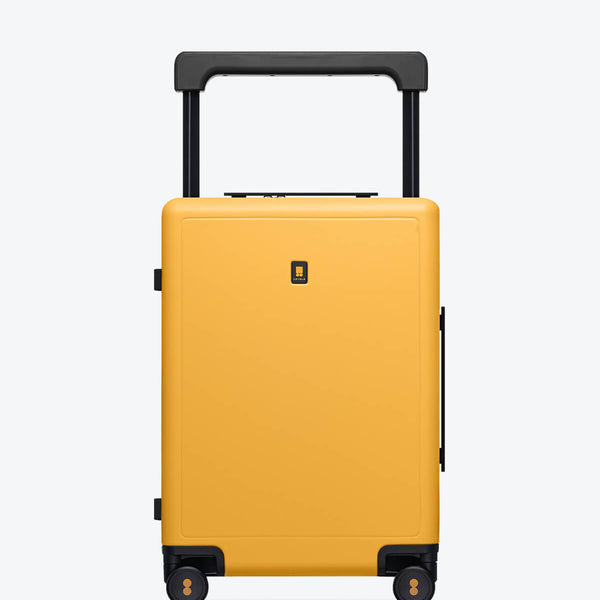
When replacement luggage is more sensible, the Voyageur Carry-On 20 inch uses a YKK puncture-resistant zipper. Its 43-liter interior gives a three- to five-day load more room, which can reduce the need to force the lid against the closure.
Damage Reaches the Lock or Suitcase Frame
Stop using the suitcase when the zipper lock pulls away from its mount or the frame no longer closes evenly. Replacing the zipper alone will not restore the damaged structure, and bending or drilling an integrated lock can make the case harder to secure.
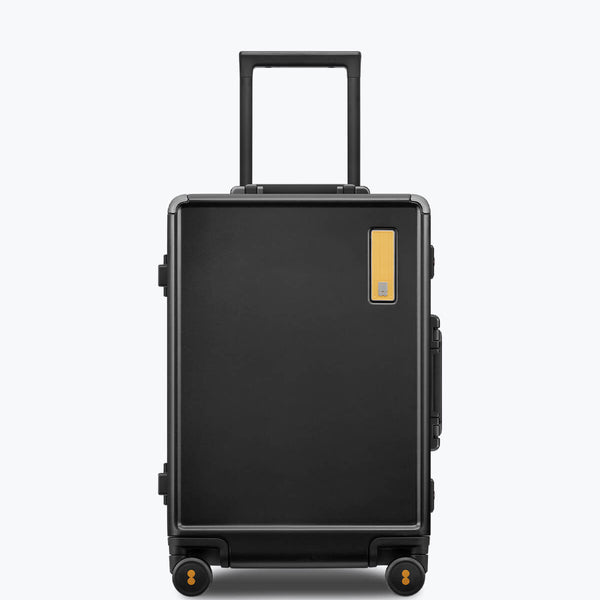
If the damage makes replacement more practical, the Hegent Carry-On 20 inch avoids the same failure point by replacing the fabric zipper with an aluminum frame and dual TSA-approved locks. The rigid closure keeps both sides aligned, while its 38-liter capacity supports easy short trips.
FAQ
How Do You Temporarily Secure a Broken Suitcase Zipper?
Use a luggage strap around the closed case. A small split ring can replace a missing pull.
How Much Does It Cost to Fix a Suitcase Zipper?
Published US shop examples start near $10 for a pull and $25 for a slider reset. Slider replacement may start at $40 or $65. A shop must inspect the full track replacement before quoting it.
How Do You Know What Size Zipper Slider You Need?
Match the zipper type and closed chain width. Check the slider back for a size mark, then confirm it with the maker’s chart.
Will a Repaired Suitcase Zipper Be as Strong as New?
It can be when only the slider or pull failed. Repairs cannot restore missing chain material or badly torn tape.
How to Fix a Suitcase Zipper Safely
Work with the lid open and the contents removed. Wear work gloves when removing a stuck or broken slider. Point cutters away from your hand and protect the shell with a folded cloth.
The safe decision is simple. Repair a clean track, pull, stop, or matched slider at home. Send torn tape, missing chain sections, lock damage, or frame damage to a qualified luggage repair shop.
Photograph the damage before changing anything. The image helps a repair shop identify the original failure and gives the luggage maker a clear record if you ask about warranty support.

Leave a comment