



Table of Content
Business Trip Essentials: What to Pack for Work Travel

A good business trip packing list helps you stay prepared without overpacking. For most work travel, you need reliable work devices, meeting-ready clothing, travel-size toiletries, key documents, and a carry-on setup that keeps essentials easy to reach. This LEVEL8 guide covers the business trip essentials you should pack for flights, meetings, hotel stays, and short work travel.
Business Trip Essentials Checklist
Use this checklist as a quick starting point before you pack.
- Work devices: Laptop, charger, phone, mouse, tablet, portable monitor if needed
- Documents: ID, passport if required, boarding pass, hotel details, meeting agenda, business cards
- Business clothing: Shirts, trousers, blazer, dress, suit, or office-ready separates
- Shoes and accessories: Dress shoes, belt, tie, watch, jewelry, socks
- Toiletries: Toothbrush, toothpaste, deodorant, shampoo, skincare, razor, sunscreen
- Personal care: Medication, glasses, contacts, hand sanitizer, lip balm
- Travel day items: Headphones, power bank, water bottle, snacks, neck pillow
- Emergency backups: One extra shirt or outfit, backup charger, digital copies of documents
Step 1: Plan Around Your Business Trip Schedule
Before packing, look at the trip schedule instead of starting with random items. Your schedule also helps determine the right business travel carry-on, since a one-night meeting trip needs a different amount of space and organization than a five-day conference with dinners and networking events.
Check these details first:
- Trip length: Count workdays, travel days, and overnight stays.
- Meeting type: Client meetings, conferences, office visits, and team events may require different clothing.
- Dress code: Confirm whether the trip is formal, business casual, or casual.
- Weather: Check temperature, rain, wind, and indoor-outdoor plans.
- Travel type: Flights, trains, road trips, and rideshares affect what should stay easy to reach.
- Hotel amenities: Look for ironing tools, toiletries, laundry service, and workspace.
- After-work plans: Dinner, networking, or events may require one extra outfit or accessory.
Step 2: Pack Your Core Business Trip Essentials
Your work items should be packed first. If you forget a charger, document, or login device, the rest of the trip becomes harder.
Laptop, Charger, and Work Devices
Pack your laptop, laptop charger, phone charger, mouse, tablet, and any company-required device. If you work with spreadsheets, presentations, or design files, a portable monitor can also help during longer hotel work sessions.
For business travelers who need a separate work bag and suitcase, the Atlas Laptop Backpack and Textured Luggage Set is a practical setup. The backpack keeps your laptop, chargers, notebook, and small work items close during boarding or meetings, while the matching suitcase handles clothing and toiletries. This separation helps you avoid opening your main carry-on every time you need a charger, file, or headphone case.
Meeting Documents, ID, and Business Cards
Keep your ID, passport if needed, hotel confirmation, boarding pass, meeting address, company materials, and business cards in one easy-access pocket. Save digital copies as well, especially for travel bookings, meeting agendas, and presentation files.
Headphones, Power Bank, and Travel Adapter
Noise-canceling headphones or earbuds are useful for flights, hotel work, and calls from shared spaces. Bring a power bank for long travel days and a travel adapter if your trip crosses countries. If you have an important meeting soon after arrival, keep backup charging tools in your personal item, not at the bottom of your suitcase.

Step 3: Choose the Right Business Travel Clothes
Business clothing should match the schedule, not every possible scenario. Choose pieces that can be reused, mixed, and kept neat in a carry-on.
Outfits for Meetings and Office Visits
Pack one main outfit per workday, or build a small capsule with shirts, trousers, blazers, dresses, or office-ready separates that can mix together. For a short business trip, one blazer or jacket can usually work across several outfits. When traveling with a suit, place it near the top of the carry-on and keep shoes, toiletries, and heavier tech from pressing into the fabric.
If your trip includes formal meetings or clothing that needs structure, the Hegent Carry-On 20'' fits this use case well. Its zipperless frame gives the case a firm shape, while the Y-strap compression system helps keep folded shirts, trousers, or a blazer more secure in transit. The wet-dry pocket is also useful for separating toiletries or worn items from clean business clothing.
Comfortable Clothes for Flights and Hotel Time
Bring one comfortable travel outfit for flights, train rides, or hotel work. This can be a soft shirt, wrinkle-resistant pants, or a light layer. Avoid packing too many casual clothes if most of the trip is built around meetings.
Shoes, Belt, Tie, and Small Accessories
Shoes take up space fast. Wear the bulkier pair during travel and pack one extra pair only if needed. Add a belt, tie, watch, jewelry, or other small accessories that match more than one outfit.
Step 4: Bring Toiletries and Personal Care Items
Business trips are usually short, so toiletries should be compact and simple.
Travel-Size Toiletries
Pack travel-size toothpaste, deodorant, shampoo, conditioner, face wash, moisturizer, and sunscreen. If you are flying carry-on only, keep liquids in approved travel-size containers and store them where you can reach them during airport screening.
Grooming, Skincare, and Medication
Bring daily medication, vitamins, contacts, glasses, razor, hair products, and skincare items you use every morning or night. Do not rely on airport shops for important medication or personal care products.
Wrinkle, Lint, and Clothing Care Items
A small lint roller, wrinkle-release spray, stain remover pen, or travel steamer can save a meeting outfit. Check whether your hotel provides an iron before packing larger clothing care tools.
Step 5: Organize Your Carry-On and Personal Item
A business trip is easier when your carry-on luggage and personal item each have a clear role.
Keep Work Essentials Easy to Reach
Your personal item should hold your laptop, chargers, headphones, ID, wallet, travel documents, medication, and anything you may need before hotel check-in. Keep this bag organized so you are not searching for a charger in the boarding line.
Pack Clothes and Toiletries in the Main Carry-On
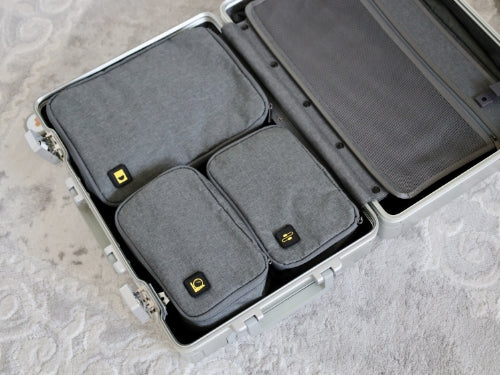
Use the main carry-on for clothing, shoes, toiletries, and backup items. Put shoes near the bottom, keep liquids sealed, and place wrinkle-prone clothing near the top. Packing cubes or garment folders can help separate work outfits from casual items.
Keep One Backup Outfit or Shirt Accessible
A delayed meeting, spill, or weather change can happen. Keep one clean shirt, blouse, or simple backup outfit easy to reach. You do not need several backups, but one clean option can make a short business trip feel less risky.

Step 6: Add Comfort and Travel Day Essentials
Travel day items should make the trip smoother without filling your bag with extras.
Snacks, Water Bottle, and Sleep Items
Pack a small snack, reusable water bottle, eye mask, and neck pillow if you need them. For short flights, keep comfort items minimal. For long travel days, they can help you arrive more focused.
Travel Wallet, Keys, and Hotel Details
Keep your wallet, keys, company card, hotel address, ride details, and meeting location in one place. If you are landing late, save the hotel address offline before departure.
Weather Extras for the Destination
Add a compact umbrella, light jacket, scarf, sunglasses, or warm layer based on the forecast. Choose items that work with both business clothing and travel outfits.
Step 7: Check What Not to Pack for a Business Trip
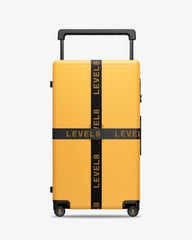
Overpacking makes business travel slower. If you are trying to stay carry-on only, use the space for items you know you will need. The Voyageur Carry-On 20'' is useful for this kind of packing because its wide-handle design creates a flatter packing area, while the 43L interior, compression system, and wet-dry pocket help separate clothing, toiletries, and daily essentials without turning the bag into a crowded stack.
Too Many Formal Outfits
Do not pack a new formal outfit for every possible plan. Reuse a blazer, rotate shirts, and choose pieces that match the same shoes and accessories.
Full-Size Toiletries
Full-size bottles take up space and add weight. Use travel-size containers or hotel basics when possible.
Extra Shoes You Will Not Wear
Limit shoes to what your schedule truly needs. One pair for meetings and one pair for travel is enough for many business trips.
Work Items You Can Access Digitally
Avoid packing printed materials, folders, or notebooks that can be accessed securely online. Keep only the documents you must have in physical form.
Conclusion
A good business trip packing list should follow your schedule: meetings first, travel comfort second, extras last. Pack your laptop, charger, key documents, meeting clothes, toiletries, medication, and one backup shirt or outfit, then leave out anything that does not support the actual trip. Keep work essentials in your personal item and clothing in your carry-on, so you can move from the airport to the hotel or meeting room without wasting time digging through your bag.
FAQ
What should you always pack for a business trip?
Always pack your laptop, charger, phone, ID, wallet, meeting documents, business clothing, toiletries, medication, headphones, and one backup shirt or outfit.
How many outfits should you pack for a 3-day business trip?
For a 3-day business trip, pack three work outfits or a small mix-and-match capsule. Add one travel outfit and one backup shirt if your schedule is busy.
Is carry-on luggage enough for a business trip?
Yes, carry-on luggage is enough for most short business trips. It works best when you pack versatile clothing, limit shoes, and keep toiletries travel-sized.
What should you pack in your personal item for a business trip?
Pack your laptop, chargers, headphones, ID, wallet, travel documents, medication, power bank, and anything you may need before hotel check-in.
How do you avoid overpacking for a business trip?
Plan around your meeting schedule, reuse key pieces, limit shoes, use travel-size toiletries, and remove anything that does not match a confirmed activity.

Leave a comment