





Table of Content
Most Durable Luggage: How to Choose a Long-Lasting Suitcase

When searching for the most durable luggage, travelers are usually looking for a suitcase that can withstand years of trips, frequent airport handling, and heavy packing without breaking down. For many travelers, durability is a key factor when choosing the best luggage for long-term travel.
Durability often depends on factors such as shell materials, construction quality, wheels, and reinforced components. This guide explains what makes luggage durable, compares the most reliable suitcase materials, and highlights several long-lasting luggage options worth considering.
What Makes Luggage More Durable?
Durable luggage is designed to withstand repeated travel, airport handling, and heavy packing without losing its structure or functionality. A suitcase may look sturdy at first glance, but long term durability depends on several key design and construction factors. The following features are among the most important factors that determine whether a suitcase can remain reliable after years of use.
Impact Resistance
Impact resistance determines how well luggage can absorb shocks during baggage handling. Suitcases are frequently dropped, stacked, or compressed in airport systems, so the shell must flex slightly under pressure without cracking. Materials like polycarbonate are often preferred for durable luggage because they can absorb impacts while maintaining structural strength.
Shell Thickness and Flexibility
The thickness and flexibility of the suitcase shell also affect durability. A shell that is too thin may dent or crack more easily, while a properly engineered shell balances strength and flexibility. Materials that allow slight bending under pressure often perform better over time because they distribute impact forces more effectively.
Zipper, Wheels, and Handle Quality
Even if the shell is strong, weak components can shorten the lifespan of a suitcase. Durable luggage typically features reinforced zippers, smooth multi-directional spinner wheels, and sturdy telescoping handles. These parts experience constant stress during travel, so their quality plays a major role in long term reliability.
Reinforced Corners and Frame
Corners are one of the most vulnerable areas of a suitcase during transport. Reinforced corners or protective frames help absorb impact when luggage is dropped or slides against other bags. Some durable designs also include aluminum frames or corner guards for additional protection.
Warranty and Build Standards
A longer warranty often indicates that a manufacturer has confidence in the durability of its luggage. Reputable brands also follow strict build standards and quality testing to ensure their suitcases can withstand repeated travel conditions.
Among the many durability factors, shell material plays a decisive role. Different luggage materials vary widely in strength, flexibility, and long-term durability.
Most Durable Luggage Materials Compared
When comparing the most durable luggage materials, three common options stand out: polycarbonate, polypropylene, and ABS. Travelers often compare polypropylene and polycarbonate when deciding which hard-shell material offers the best balance of durability and flexibility. Polycarbonate is generally considered the strongest and most reliable for frequent travel, while polypropylene focuses on lightweight flexibility, and ABS is typically the most affordable but less durable.

Polycarbonate vs Polypropylene vs ABS
Polycarbonate is widely regarded as one of the most durable materials used in modern hard shell luggage. It offers excellent impact resistance and can flex under pressure without cracking, which helps protect luggage during airport handling. Because of this balance of strength and flexibility, polycarbonate is commonly used in premium suitcases designed for frequent travelers.
Polypropylene is slightly lighter and also provides good impact absorption due to its flexible structure. While durable for everyday travel, it may show wear sooner than polycarbonate after repeated long-term use.
ABS plastic is often used in budget luggage because it is inexpensive and lightweight. However, it is generally less durable than both polycarbonate and polypropylene, making it more prone to scratches or cracks under heavy impact.
Aluminum Luggage
Aluminum luggage is known for its rigid structure and strong resistance to pressure. Unlike plastic shells that flex under impact, aluminum cases maintain their shape and provide excellent protection for fragile items.
However, the best aluminum luggage can dent under strong impacts and is usually heavier than polycarbonate suitcases. It is often chosen by travelers who prioritize structural strength and premium build quality.
Hybrid Hard Shell Designs
Some modern luggage designs combine multiple materials to improve durability. For example, manufacturers may use polycarbonate shells reinforced with aluminum frames or corner guards to strengthen high-impact areas.
These hybrid designs aim to balance lightweight construction with added structural protection, making them suitable for travelers who want both durability and mobility.
Comparison Chart
Quick comparison of common luggage materials based on durability and travel performance.
|
Material |
Impact Resistance |
Weight |
Long-Term Durability |
Typical Price |
|
Polycarbonate |
Excellent |
Moderate |
Very High |
Premium |
|
Polypropylene |
Good |
Lightweight |
High |
Mid-range |
|
ABS |
Moderate |
Lightweight |
Moderate |
Budget |
|
Aluminum |
Excellent structural strength |
Heavy |
Very High |
Premium |
Overall, polycarbonate offers the best balance of durability, flexibility, and weight, which is why it is commonly used in high-quality hard shell luggage designed for frequent travel.
What Are the Durability Priorities for Carry-On vs Checked Luggage
Durability priorities can differ depending on whether luggage is used as a carry-on or checked suitcase. Carry-on luggage typically faces less extreme impact but requires strong wheels, handles, and structural reliability for frequent movement. Checked luggage, on the other hand, must withstand heavy impacts, stacking pressure, and rough baggage handling during flights.
Durability Focus for Carry-On Luggage
Carry-on luggage durability often depends on component quality rather than shell strength alone. Because travelers move carry-on suitcases through airports, train stations, and city streets, wheels and handles experience constant use.
High-quality spinner wheels, reinforced telescoping handles, and durable zippers are essential features for long-lasting carry-on luggage. A balanced shell material, such as polycarbonate, can also help maintain structure while keeping the suitcase relatively lightweight for cabin travel.
Durability Focus for Checked Luggage
Checked luggage must prioritize impact resistance and structural protection. Suitcases placed in cargo holds are frequently stacked, dropped, or compressed during airport handling.
For this reason, durable checked luggage often includes thicker hard-shell materials, reinforced corners, and stronger frames. Materials such as polycarbonate or aluminum are commonly preferred because they can withstand repeated impacts and heavy travel conditions.
The durability priorities for carry-on luggage and checked luggage differ because they face different types of travel stress. The table below highlights the key durability considerations for each type of suitcase.
|
Key Factors |
Carry-On Luggage |
Checked Luggage |
|
Travel Stress |
Rolling, lifting, frequent movement |
Impacts, stacking, baggage handling |
|
Durability Focus |
Wheels, handles, zippers |
Shell strength and impact resistance |
|
Structure |
Lightweight but durable |
Reinforced and impact-resistant |
|
Common Materials |
Polycarbonate, lightweight shells |
Polycarbonate, aluminum |
|
Typical Use |
Short trips, cabin travel |
Long trips, checked baggage |
In general, carry-on luggage durability focuses on reliable components for frequent movement, while checked luggage requires stronger shells to handle airport impacts.
Most Durable Luggage for 2026
Choosing the most durable luggage is not only about materials but also about construction quality, reinforced components, and long-term reliability. The following suitcases combine strong shell materials, thoughtful structural design, and durable travel components.

Voyageur Carry-On 20''
The Voyageur Carry-On 20'' is designed for travelers who want durability without sacrificing mobility. Its shell is made from German-made Makrolon polycarbonate, a material known for strong impact resistance and flexibility under pressure.
The suitcase weighs about 8.6 lbs, offering a good balance between structural strength and carry-on convenience. A wide handle design creates a flatter packing base while improving rolling stability. Combined with quiet 360° spinner wheels, a built-in TSA lock, and an internal compression system with a dry-wet pocket, the suitcase is built to withstand frequent travel while keeping packing organized.
Hegent Carry-On Luggage 20''
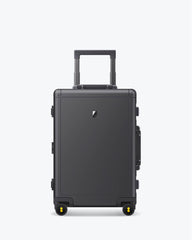
The Hegent Carry-On Luggage 20'' focuses on durability through a frame-based construction rather than a traditional zipper design. Its exterior combines German-made Makrolon polycarbonate with an aerospace-grade aluminum-magnesium alloy frame, providing strong structural support.
Reinforced metal corner guards add protection against impacts, which are common during travel. The suitcase also features ultra-quiet 360° spinner wheels and a dual TSA lock system for secure transport. This combination of materials and frame structure makes it a durable option for travelers who prioritize long-lasting performance.
Luminous Textured 2 Piece Set
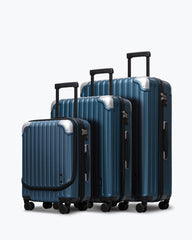
The Luminous Textured 2 Piece Set combines durability with practical travel flexibility. Both suitcases feature shells made from German-made Makrolon polycarbonate, offering strong resistance to impacts and pressure during transport.
The textured exterior helps reduce the appearance of scratches that often occur during airport handling. With smooth spinner wheels and organized interior compartments, the luggage set provides durability suitable for both carry-on and checked travel while maintaining a clean and modern design.
Conclusion
The most durable luggage typically combines strong materials, reinforced construction, and high-quality travel components. Hard-shell suitcases made from polycarbonate or aluminum often provide the best long-term durability, especially for travelers who fly frequently.
When choosing durable luggage, it is important to consider how the suitcase will be used. Carry-on luggage typically relies on durable wheels, handles, and a balanced shell structure for frequent movement, while checked luggage must prioritize stronger shells and reinforced structures to withstand airport handling.
FAQ
What is the strongest material for luggage?
Polycarbonate and aluminum are widely considered the strongest materials used in modern luggage. Polycarbonate offers excellent impact resistance while remaining relatively lightweight, while aluminum provides rigid structural protection but is usually heavier.
Does polycarbonate luggage crack easily?
High-quality polycarbonate luggage is designed to flex under pressure rather than crack. This flexibility helps the shell absorb impacts during baggage handling and return to its original shape after stress.
Is aluminum luggage better than polycarbonate?
Aluminum luggage provides strong structural protection and a premium build, but it is usually heavier and can dent under heavy impacts. Polycarbonate luggage is lighter and more flexible, which often makes it more practical for frequent travel.
How long should durable luggage last?
A well-built suitcase made from durable materials can typically last five to ten years or longer, depending on travel frequency and handling conditions. Higher-quality materials and reinforced construction generally extend the lifespan of luggage.

Leave a comment