




Table of Content
Is It Safe to Travel to Mexico in 2026? Safety Tips & Travel Guide

Traveling to Mexico in 2026 offers opportunities to visit Cancun beaches, Riviera Maya resorts, Oaxaca cultural sites, lively colonial cities, and authentic local food destinations. Safety in Mexico for tourists varies by region, destination, travel style, and local conditions, so checking current guidance before planning is important.
This guide explains official travel advisories, safer destination choices, regional safety tips, transit options, and practical ways to protect passports, money, electronics, and luggage. With the right preparation, travelers can make informed decisions, avoid common risks, and enjoy a more secure Mexico trip.
Is It Safe to Travel to Mexico in 2026 for Tourists?
Mexico can be safe for tourists in 2026, but the answer depends on where you go, how you travel, and how closely you follow current safety guidance. Safety conditions vary by state, city, and neighborhood, so travelers should check official advisories before booking, choose well-known tourist areas, use trusted transportation, avoid risky routes, and stay alert at night instead of treating the whole country as one single risk level.
What Is Happening in Mexico Right Now?
Safety levels differ widely across Mexico. Some states have serious crime warnings, while major tourist areas such as Cancun, Los Cabos, and Riviera Maya continue to receive visitors. For tourists, the safer approach is to stay in well-developed zones, use official transfers, and avoid treating Mexico as one single risk level.
What Do Official Travel Advisories Say by Region?
Official advisories matter because Mexico’s safety level varies by state, not by the country as a whole.Travelers should review the official Mexico travel advisory before finalizing routes, especially if they plan to visit multiple states.
|
Level |
Example Areas |
Tourist Meaning |
|
Level 1 |
Yucatan |
Normal precautions |
|
Level 2 |
Quintana Roo, Mexico City, Baja California Sur, Oaxaca |
Common tourist routes, but stay alert |
|
Level 3 |
Some higher-risk states/routes |
Reconsider nonessential travel |
|
Level 4 |
Including Sinaloa, Guerrero, Michoacan, Colima, Tamaulipas, and Zacatecas |
Avoid leisure travel |
For most tourists, the practical takeaway is simple: choose well-developed destinations, stay in tourist areas, and avoid unfamiliar long-distance routes at night.
How Trip Style Affects Safety?
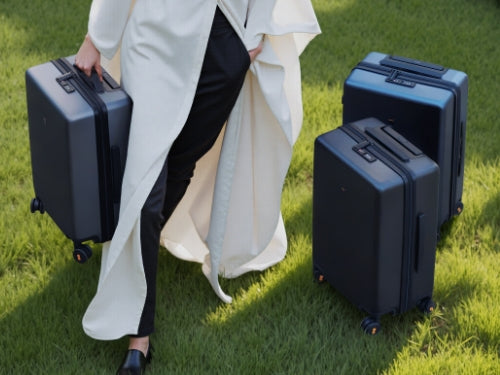
First-time visitors and families should prioritize central hotels, guided tours, and daytime travel routes. It also helps to choose luggage for your next trip based on how often you will move between airports, hotels, buses, and city stops.
Which Areas Are Safer for Travelers in Mexico?
Coastal resorts and well-developed cities are generally safer for tourists. Focusing on these areas helps travelers enjoy their trip while staying cautious.
Beach Destinations with Fewer Advisory Restrictions
Popular beach destinations such as Cancun, Riviera Maya, and Los Cabos remain common tourist
choices, but travelers should still follow official advisory quidance, stay in well-lit tourist zones, and
use extra caution after dark.
Family-Friendly and Cultural Cities
Merida, Oaxaca, and central Mexico City neighborhoods are relatively secure choices for cultural or family trips. These central tourist districts are usually easier to navigate and better supported by hotels, tours, and transport services. However, standard precautions, such as avoiding unfamiliar areas at night, still apply.
Quick Safety Notes for Cancun, Mexico City, Cabo, and Tulum
While these popular destinations are generally safe, they still require standard situational awareness:
- Cancun: Resort zones are highly secure, but be mindful of petty theft in crowded spots.
- Mexico City: Central districts are generally safe; exercise caution in the outskirts and always remain vigilant after dark.
- Cabo: Tourist corridors are well-managed; stay alert when navigating busy streets.
- Tulum: Main tourist zones remain busy and monitored; avoid walking along deserted beaches at night.
By sticking to well-populated areas and following local guidance, tourists can significantly reduce their exposure to common risks.
What Are the Main Risks for Travelers in Mexico?
Travel in Mexico carries risks, including scams, road hazards, and health or money issues. Awareness and preparation reduce exposure. Knowing these threats helps tourists stay safe.
Tourist Scams and Transit Risks
Tourist scams such as overcharging, fake taxis, or unauthorized transport apps are common. Using official taxi stands, hotel-arranged transport, or licensed rideshare apps like Uber and DiDi reduces risk. Always verify prices and stay aware of surroundings in crowded tourist areas.
Road Safety and Night Travel
Driving or traveling at night carries higher risk due to poor lighting, road conditions, and crime. For sightseeing or multi-city routes, travel during daylight, use toll roads where possible, and avoid driving between cities after dark. Reliable transport services reduce exposure to road hazards.
Health, Money, and Situations to Avoid
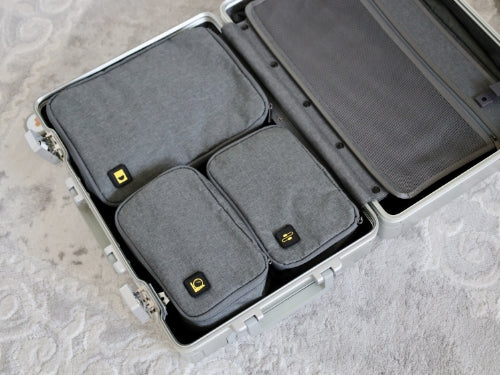
Health and financial risks can affect travelers, so drink sealed bottled water, avoid unsafe ice, use ATMs inside banks or hotels, and keep one backup card separate. Travel insurance, official guidance, and knowing how to pack a suitcase efficiently can help travelers manage medicine, cards, and key documents during multi-city trips.

How Can Travelers Protect Valuables and Use Transit Safely in Mexico?
Keeping valuables organized and planning transit carefully helps travelers stay safe across multiple cities. Packing this way helps reduce rummaging, keeps important items easier to manage, and supports smoother multi-city travel.
Secure Belongings and Pack Smart for Multi-City Travel
Keeping passports, cash, wallets, and travel insurance organized is important in crowded areas where pickpocketing can be a concern. For easier multi-city travel:
- Use the Adventure hard-shell carry-on for organized packing during airport and hotel transfers, but keep passports, cards, cash, medication, and essential documents in a personal bag that stays with you at all times.
- Use the Road Runner Carry-On for passports, devices, and travel papers you need to access quickly.
This packing setup keeps high-value items organized, protected, and easier to manage during transfers, check-ins, and short city stops.
Safe Transit Guide: Using Uber, ADO Buses, and Official Shuttles
Using trusted transport options is essential for safe travel across Mexican cities.
- Rideshare apps: Use licensed apps like Uber or DiDi instead of hailing taxis on the street.
- Official buses: Choose companies like ADO for long-distance travel and buy tickets online in advance.
- Hotel shuttles: Rely on hotel-recommended or official shuttle services for airport transfers.
Following these guidelines reduces the risk of scams, theft, or unsafe rides while moving between destinations.
FAQ
Do I need a visa to travel to Mexico in 2026?
Most travelers from the U.S., Canada, and many European countries do not need a visa for short visits to Mexico. A valid passport is required, and the permitted stay is generally determined by immigration officers at entry based on return flight dates and travel purpose. Always confirm the latest rules on official government sources before traveling.
What vaccinations are recommended before visiting Mexico?
Keep routine vaccines (MMR, Tdap, flu) up to date, and consider Hepatitis A and Typhoid, which are recommended for most travelers to Mexico. Hepatitis B is advised for specific itineraries. Please note that rabies pre-exposure vaccination is not for everyone; it is usually considered only for travelers with higher animal-exposure risk, remote itineraries, field work, or limited access to medical care. Consult a travel health clinic for personalized advice.
What is the best way to get around safely in Mexican cities?
Using licensed rideshare apps, official taxis, or hotel-recommended shuttles is the safest way to travel within cities. Avoid hailing unmarked taxis or accepting rides from strangers. For longer distances, well-known intercity bus companies such as ADO are commonly used by travelers.
What is the safest time of year to travel to Mexico?
The dry season (November to April) is generally the most predictable time to visit regarding weather, offering mild temperatures and clear roads. However, it is crucial to note that crime-related safety depends more on your specific destination, neighborhood, transport choices, and current travel advisories than on the season alone. If you travel outside the dry season, be aware that hurricane risks vary by coast (Atlantic: June 1–Nov 30; Eastern Pacific: May 15–Nov 30), with both peaking in late summer and early fall. Always consult official advisories when planning your itinerary.
Is it safe to rent a car in Mexico for sightseeing?
Renting a car is safe in tourist-friendly regions and well-maintained highways if precautions are taken. Stick to major roads, use toll highways when possible, and avoid driving at night in unfamiliar areas. Always verify insurance coverage and avoid leaving valuables in the vehicle.
Conclusion
Traveling to Mexico in 2026 can be safe and rewarding when visitors follow official advisories, stay in monitored tourist areas, and use trusted transport. By staying alert, organizing valuables, and planning routes carefully, tourists can enjoy beaches, culture, and family trips with less risk. Simple preparation also matters, especially for travelers moving between airports, hotels, and city stops. For better packing, travelers can explore LEVEL8 luggage for carry-on and checked options.

Leave a comment