



How to Open TSA Lock and Fix Common Problems
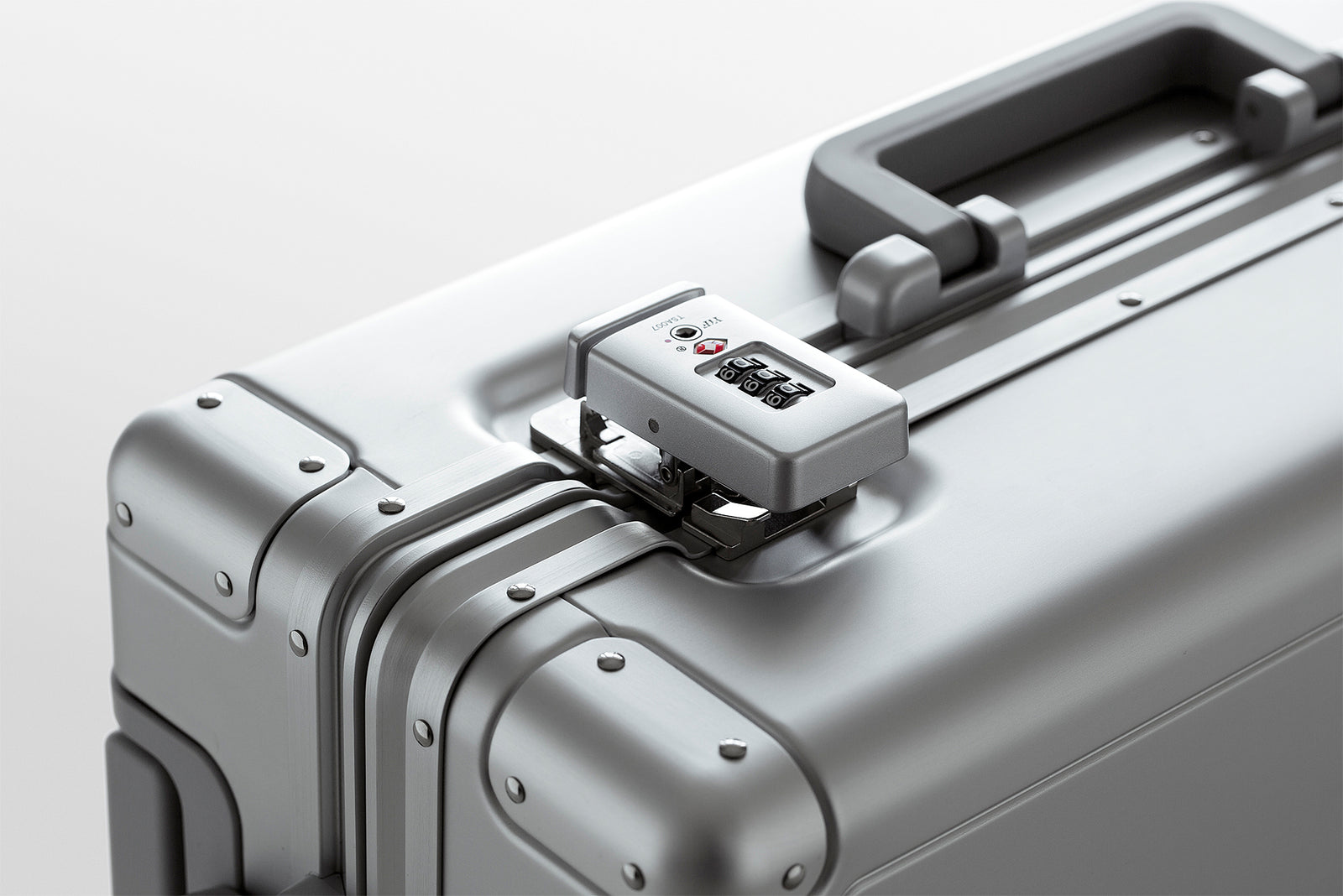
To open a TSA lock, place the correct combination on the index line and press or slide the release while taking pressure off the closure. Travelers using a new suitcase or dealing with a stuck lock should identify the release mechanism before applying force. The visible keyhole is usually reserved for airport security. A built-in lock may secure zipper pulls or operate frame latches. A separate TSA padlock uses a shackle. Each design opens differently, but all combination models depend on accurate number alignment.
TSA Lock Structure Explained
A TSA-accepted lock combines a personal opening mechanism with a separate access system for participating airport security agencies. Travelers use the number wheels or supplied owner key, while security officers use the inspection keyway.
Integrated combination locks are common on carry on luggage because they secure the zipper pulls without adding a separate padlock. Understanding the main parts helps identify whether an opening problem involves the combination, release control, or suitcase closure.
|
Lock part |
Purpose |
|
Number wheels |
Enter the personal combination |
|
Index line |
Shows where each number must align |
|
Release button |
Retracts the locking catch |
|
Zipper slots |
Hold the suitcase zipper pulls |
|
Frame latches |
Secure a zipperless suitcase |
|
Inspection keyhole |
Allows authorized security access |
|
Reset control |
Saves a new combination while open |
Combination Dials and the Index Line
Most luggage locks have three number wheels. Each wheel contains the digits 0 through 9, creating 1,000 possible combinations from 000 through 999.
When comparing luggage, check whether the index line is easy to see and whether the wheels can be turned without covering them with your fingers. The selected numbers must sit directly beside the index line. A wheel positioned between two numbers can prevent the internal gates from aligning, even when the digits appear correct from an angle.
Release Controls and Closure Points
-
A sliding release moves sideways and usually ejects two zipper pulls.
-
A push button moves inward or downward to release a shackle or frame latch.
-
Integrated zipper locks have two slots for the zipper tabs.
-
Zipperless cases commonly use two separate latches along the frame. Both latches must open before the lid can be lifted.
The TSA Keyhole and Red Diamond
Participating security agencies can use approved tools to inspect the suitcase without cutting a working lock. The keyhole on a combination model is generally not a backup opening method for the owner; travelers continue to use the combination dials.
How to Open TSA Luggage Lock With the Correct Code
The normal opening process takes only a few seconds. Complete the steps in order and stop if the release requires strong force.
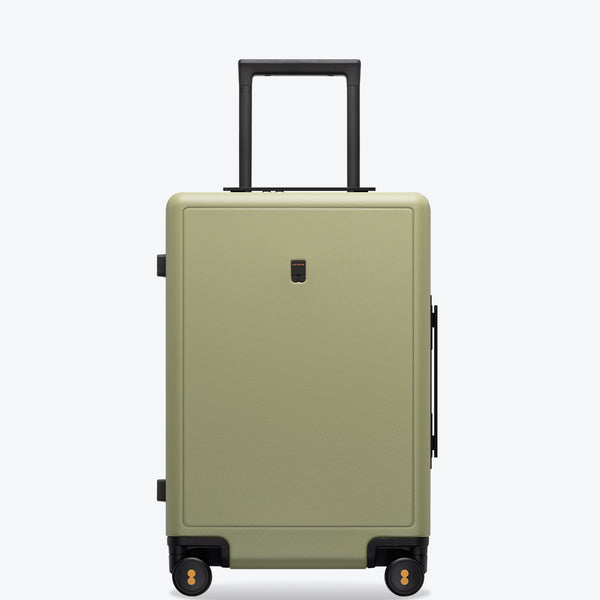
A packed zipper case can place tension on the locking catch. The Luminous Textured Carry-On 20 uses an integrated TSA combination lock that keeps the release close to the shell and removes the need for a loose padlock. Its 40-liter capacity and 7.7-pound polycarbonate construction provide practical storage without making the case difficult to handle.
Step 1: Remove Pressure From the Closure
Push the zipper pulls slightly toward the lock. For a frame case, press the two case halves together near the latch. This movement removes pressure from the internal catch. It is especially important when the suitcase is packed tightly.
Step 2: Align the Correct Combination
Turn each wheel until the correct number is centered on the index line. View the dials straight on to avoid a reading error.
Step 3: Open an Integrated Zipper Lock
Slide or press the release in the direction shown on the lock. The zipper pulls should lift out without twisting. After opening, check the zipper slots for loose thread or fabric.
Step 4: Open a Zipperless Latch Lock
Enter the correct code on the first latch and press its release. Repeat the process on the second latch before lifting the lid.
Do not lift one side while the other latch remains locked. Uneven pressure can make the closed latch harder to release.
How to Unlock TSA Lock When the Correct Code Does Not Work
A lock may stay closed even when the displayed code is correct. Dial position, packing pressure, and trapped material are the most common causes.
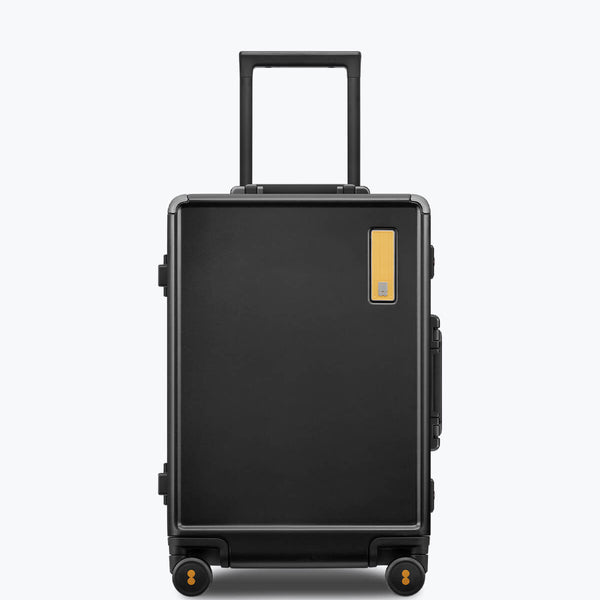
Zipperless suitcases can become difficult to open when the frame and latches are under uneven pressure. The Hegent Carry-On Luggage 20 uses an aluminum frame with two TSA-accepted locks to secure separate closure points. Its 38-liter polycarbonate case and metal corner guards help protect the latch area while keeping the frame aligned during normal travel.
Step 1: Recenter Every Number
Move each dial slightly forward and backward around the correct digit. Stop when the number sits directly on the index line.
Step 2: Reduce Packing Pressure
Press the shell inward near the lock while operating the release. Move the zipper pulls toward their slots instead of pulling them away.
Step 3: Check for an Obstruction
Look for zipper tape, lining, or loose thread caught near the locking slot. Remove visible material carefully while keeping pressure off the release.
Step 4: Inspect the Lock After Security Screening
Check the suitcase for a Notice of Baggage Inspection. This notice indicates that security officers physically opened the bag.
Examine the inspection keyhole and normal release. If the cylinder appears turned or the button no longer returns to its resting position, follow the instructions for that specific lock. Stop if the cylinder resists light pressure. The manufacturer or a luggage repair specialist should inspect it.
How to Open TSA Luggage Lock After Forgetting the Code
A closed combination lock generally cannot be reset without its current code. Use an organized recovery process instead of entering random combinations.
Step 1: Try the Factory and Remembered Codes
Enter 000 or the code in the product manual if the suitcase is new and the combination has never been changed. If that does not work, try any previous code that you clearly remember.
Step 2: Test the Codes From 000 Through 999
Begin with 000 and increase the combination one number at a time. Try 001 next, then continue in numerical order. Record the last completed number if you need to stop.
A three-digit lock has 1,000 possible combinations; an ordered check often takes 15 to 30 minutes.
Step 3: Contact the Manufacturer or a Locksmith
Stop if the wheels become difficult to turn or the release begins to bend. The lock may have a damaged internal part.
Provide the manufacturer with the suitcase model and proof of purchase. A luggage repair shop or locksmith can inspect the mechanism and determine whether the lock can be opened without damaging the case.

How Do You Reset a TSA Lock After Opening It?
When resetting a luggage lock, the lock must normally be open at its current combination. Confirm the reset design before pressing any button or moving a switch.
|
Reset design |
Normal operation |
|
Recessed button |
Press while selecting the new code |
|
Sliding switch |
Move to reset position and return after selection |
|
Shackle reset |
Turn or press the open shackle as directed |
|
Frame latch switch |
Reset each latch separately while open |
Step 1: Open the Lock With the Current Code
Place the current combination on the index line and open the lock. Leave the zipper pulls outside their slots or keep the frame latches open.
A forgotten code must be recovered before resetting. The reset mechanism does not erase a combination while the lock is closed.
Step 2: Activate the Reset Control
Locate the recessed button or sliding switch. It may sit beside the dials or on the back of a latch lock. Press the button with the tool recommended by the manufacturer. If the lock uses a switch, move it fully into the marked reset position.
Step 3: Select the New Combination
Turn the wheels to the new numbers while holding the reset control in place. Keep each digit centered on the index line.
Step 4: Save and Test the Code
Release the reset button or return the switch to its operating position. Test the new code several times while the suitcase remains open. Insert the zipper pulls or close the latches only after the new code works consistently.
FAQs
Can I Use the TSA Keyhole Myself?
Usually no. The keyhole on a combination model is intended for authorized security tools. Travelers normally use the number dials and do not receive a matching key.
Why Does My TSA Lock Open With Every Code?
The reset control may still be engaged. Keep the suitcase open and return the button or switch to its normal position according to the product instructions.
Should I Change the Factory Code From 000?
Yes. Change it after confirming that the new lock opens correctly. The common factory code provides little protection when left unchanged.
Can I Fly With a Non-TSA Lock?
Yes. However, security officers may cut the lock if they need to inspect the bag and cannot open it through an accepted access system.
Does a TSA Lock Show That My Bag Was Inspected?
Some models do. An inspection indicator may change color after security access. Check the lock instructions because the indicator and its reset method vary by model.
Can a TSA Lock Protect Valuables From Theft?
Only to a limited degree. The lock keeps the closure secured and discourages quick access. Passports, medication, and valuable electronics should remain with you whenever travel rules allow.
Conclusion
Knowing how to open TSA lock mechanisms starts with identifying the closure, centering the combination, and removing pressure from the catch. A correct code should release the lock without strong force.
If the code has been forgotten, an ordered combination check provides a trackable way to recover access. The same process explains how to unlock luggage lock models safely without relying on random tools. Reset and test the new code while the suitcase remains open.
When choosing luggage sets, reset and test every suitcase separately before traveling. Confirm that each new code works while the case remains open, then store the combinations in a secure place.


Leave a comment